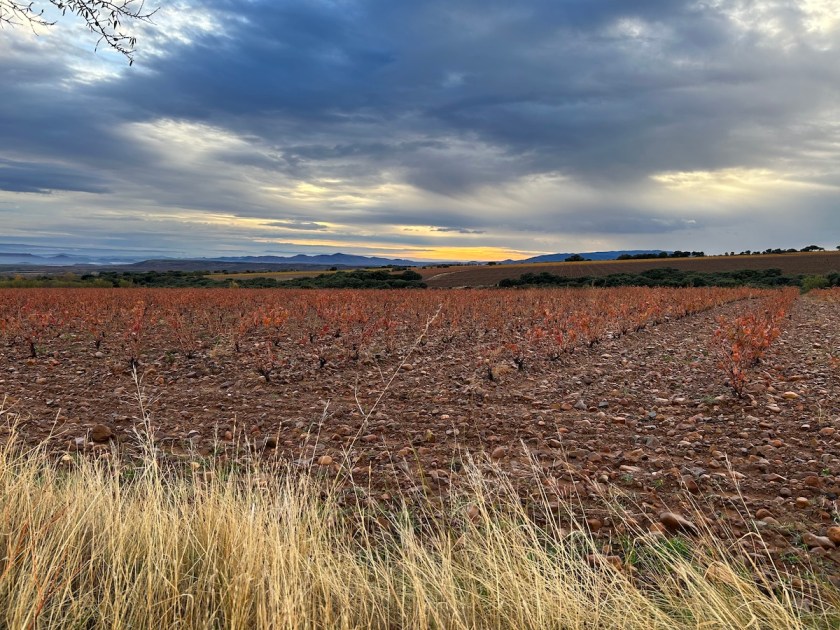
The classic ageing categories
Rioja is one of the classic wine-growing regions of the world. Home to producers such as La Rioja Alta, Muga, Beronia and Campo Viejo, to name a few, Rioja’s reputation as a region that produces wines of quality is firmly established. In 2021, the production of Rioja DOCa was 350 million bottles, of which the considerable amount of 41.6% was exported. Aged wines represent 57% of Rioja’s output. The majority of the wine is red (85%). White represents 9% and is a growing category.

Consumers worldwide have become familiar with the different styles and quality levels – Crianza, Reserva and Gran Reserva – based on the wine’s length of maturation. Rioja has made these wines easily identifiable on the shop shelf with clear front labels and colour-coded seals. Each level of ageing has its own organoleptic characteristics.
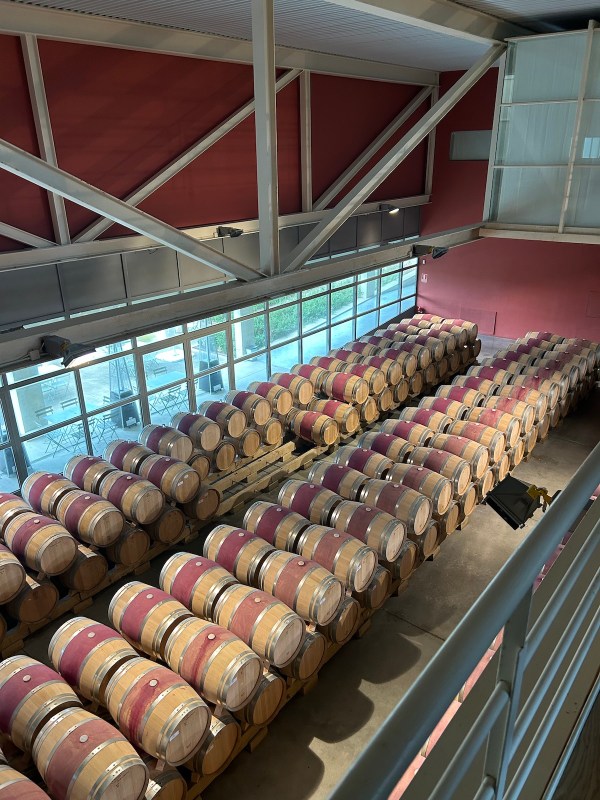
A Crianza is a two year old wine that has spent some time in wood, 12 months minimum for reds and six months for rosés and whites. The attributes of a red Crianza are fresh, crunchy, and youthful red fruit with some spicy notes.
A red Reserva, aged for three years with a minimum of 12 months in barrel and six months in bottle, is a smooth, complex, velvety wine with aromas of red and blue fruit, spice and herbs. Whites and rosé wines age for a minimum of two years with six months in barrel. Expect a white Reserva wine to have a golden hue and a rich and smooth mouthfeel.

Gran Reserva wines, at the top of the quality ladder, have aged for five years (reds) and four years (whites and rosés). Reds are required to spend a minimum of two years in barrel and two in bottle whereas for whites a minimum of six months in barrel. A Gran Reserva will typically show elegant notes of black cherry, cream, vanilla, coffee, prune, earth, balsamic vinegar, soy sauce, dill and coconut, with a delicate acidity and long length.
Longer maturation in barrel and bottle is a key factor in the appeal of Rioja wines. The latter are renowned for their consistency, their softness, complexity and aptitude for ageing. Through élevage tannins become softer and integrated, aromas more complex and the texture smoother. Blending is another tool that contributes to making a wine balanced and more layered. The grapes in a DOCa Rioja wine can come from different zones within the appellation, (i.e. from Rioja Alta, Rioja Alavesa and Rioja Oriental) a collection of diverse climates, altitudes and soils. The wines can be made from a blend of different grape varieties and in the case of reds from Tempranillo, Garnacha, Graciano, Mazuelo and Maturana Tinta.
The expression of terroir – Geographic indications
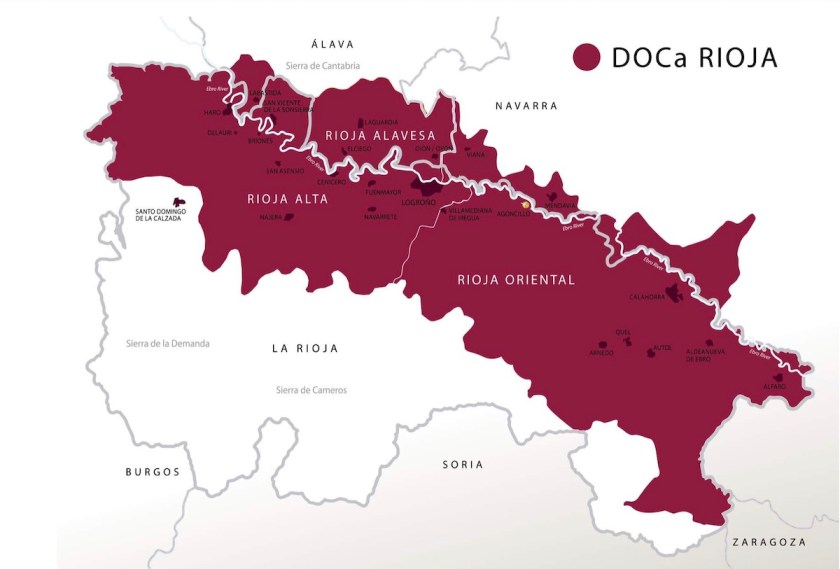
The tradition of blending different grape varieties, different regions and the maturation in barrels and bottle are factors that all play a part in the identifiable character of Rioja wines. It could be argued that the reputation of the wines from Rioja is more dependent on how the wine is made rather than on terroir. The know-how of blending and ageing quality wine in oak 225-litre barriques was brought from Bordeaux to Rioja by the innovative Marqués de Riscal and Marqués de Murrieta in the second half of the 19th century. Two centuries on and there is an interest and thirst for more terroir-driven wines and wines where the maturation vessel does not dominate over the provenance and essence of the grapes. In response to these trends, Rioja’s Consejo Regulador (Rioja’s regulatory body) has approved the geographic subcategories of Vino de Zona, Vino de Municipio o pueblo and Viñedo Singular. Vino de Zona (VZ on the seal) is the division of Rioja into the three regions of Rioja Alta, Rioja Alavesa and Rioja Oriental (the latter formerly known as Rioja Baja). Vino de Municipio allows for the label to carry the name of one of the municipalities (villages) approved by the Consejo. As for Viñedo Singular, this highly qualitative indication introduced in 2017 designates a single vineyard out of which distinctive wines are born. There are stringent requirements regarding, amongst other things yield, harvest and press ratio. The wines undergo a sensory test and the minimum age of the vineyard has to be 35 years. Unlike in Burgundy, for example, the plot of land has not been previously formally recognised as a Viñedo Singular. It is up to the grower or producer to apply to the DOCa Rioja Control Board and to show that all the conditions are met for the plot of land to be accepted as a Viñedo Singular.

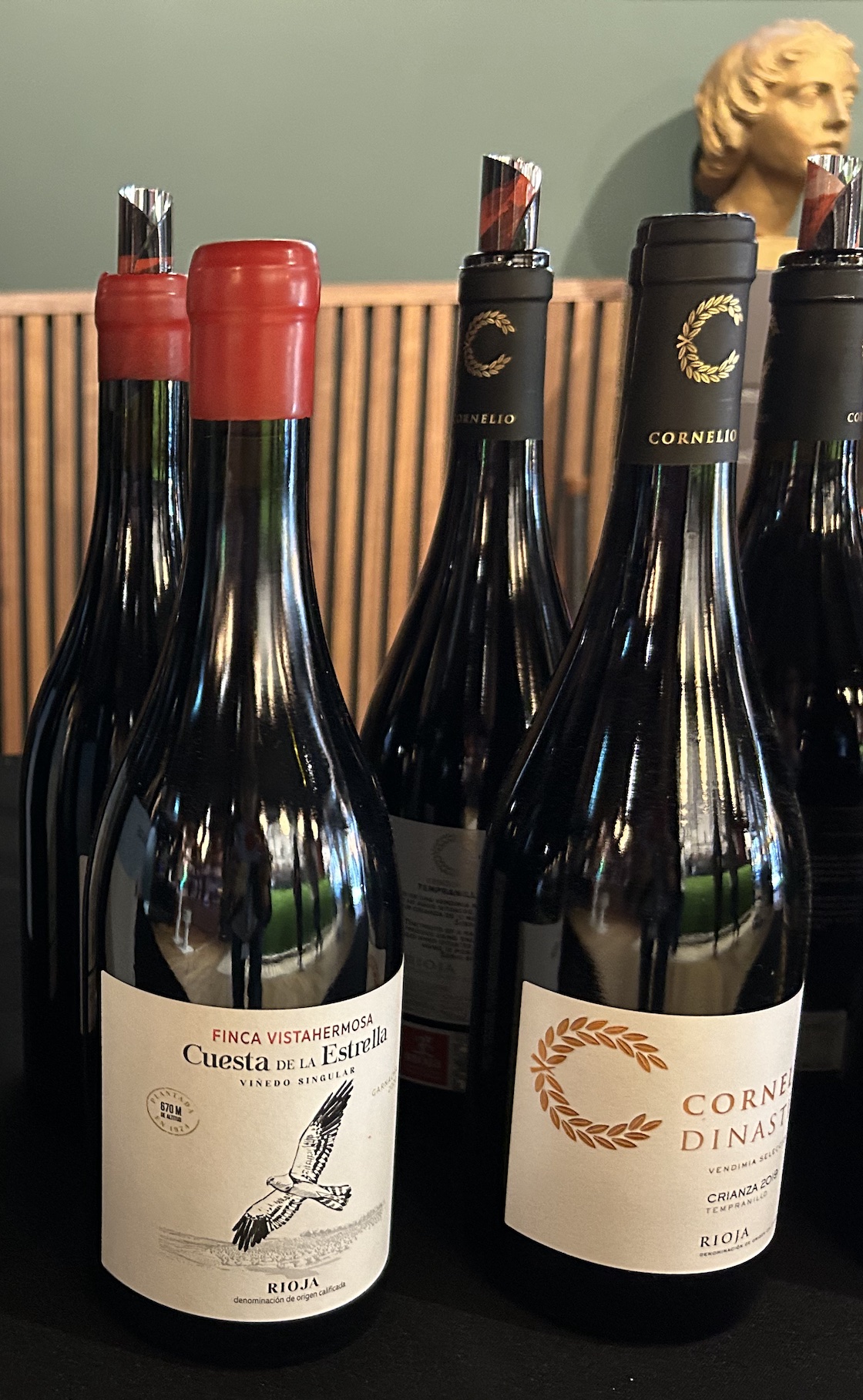
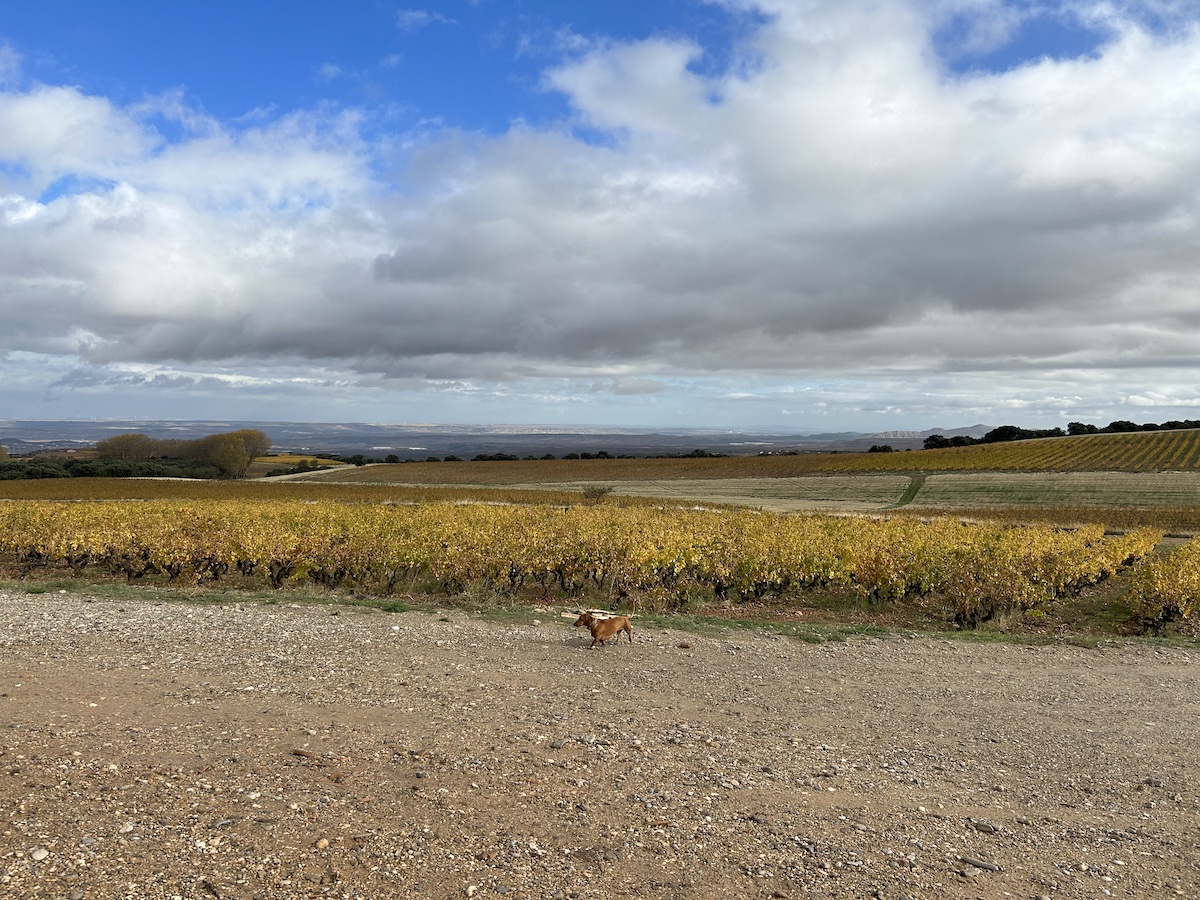
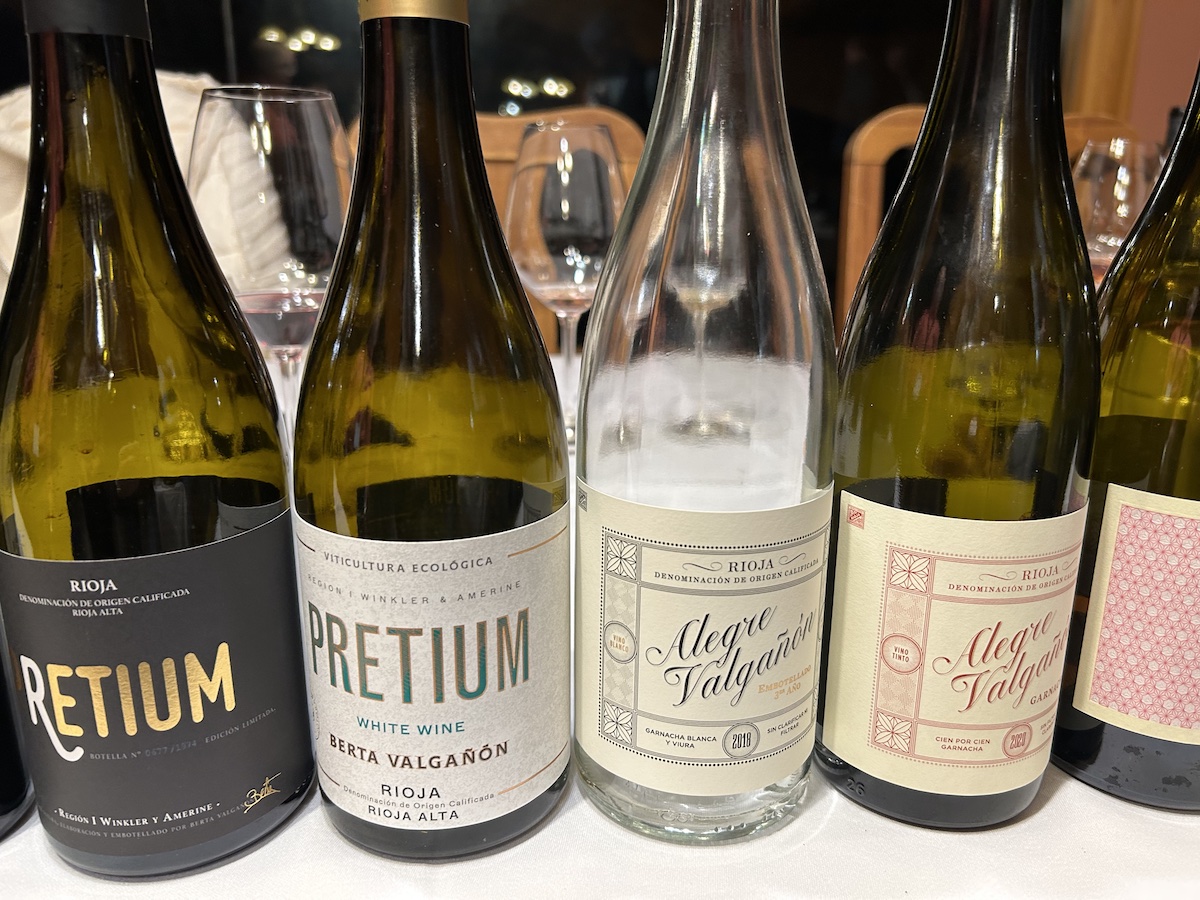
Views on these classifications are split. For Bodega Alegre Valgañon in Rioja Alta who make terroir-driven white Viura and red Garnacha wines in the Obarenes mountains, the subzones such as Rioja Alavesa, “means nothing and is merely a geographic boundary”. On the other hand, in Rioja Oriental the team at Finca Vistahermosa is fighting for their region and zone to be recognised. They sell their grapes to top producers such as Roda, Muga and Alvaro Palacios but as of 2005 have been making their own wine for their grapes to be appreciated at their true value rather than merely bring glory to the wider Rioja DOCa zone. The Hernais brothers, in Rioja Alta, put their top classic red, a blend of Tempranillo, Garnacha and Viura, and their white in the spotlight by bottling them under the Viñedo Singular appellation. The grapes come from a special vineyard, Finca la Emperatriz, once the property in the 19th century of the Empress of France. It is a cool location, 600 meters in altitude, with poor sandy alluvial soil covered in large white pebbles home to 50-65 year old bush vines. Their Viñedo Singular at 32 ha is the largest in Rioja. There is presently a total of 200 ha under the designation but surface area is growing along with interest from winemakers.
Maturation styles versus terroir – Inspiration from the past
The ageing categories, even when coupled with more narrow geographic sub-entities do not give some winemakers enough latitude to express terroir or simply to make the kind of wines that they would like to in the way that they would like to. An alternative is for them to bottle their wine under the generic Rioja DOCa appellation, appellation that does not carry any ageing requirements (green-coloured seal). In 2021, 43.25% of all Rioja wine produced came under the generic label, not an insignificant amount. Under that label a new wave of winemakers are striving to express terroir and are doing so by connecting back to farming methods and vinification methods that were used by prior generations. One vinification method that is making a comeback is carbonic maceration. Interestingly, although this technique is usually used to produce very fruity wines for early consumption, some winemakers use it for their structured, high quality and age worthy wines too.
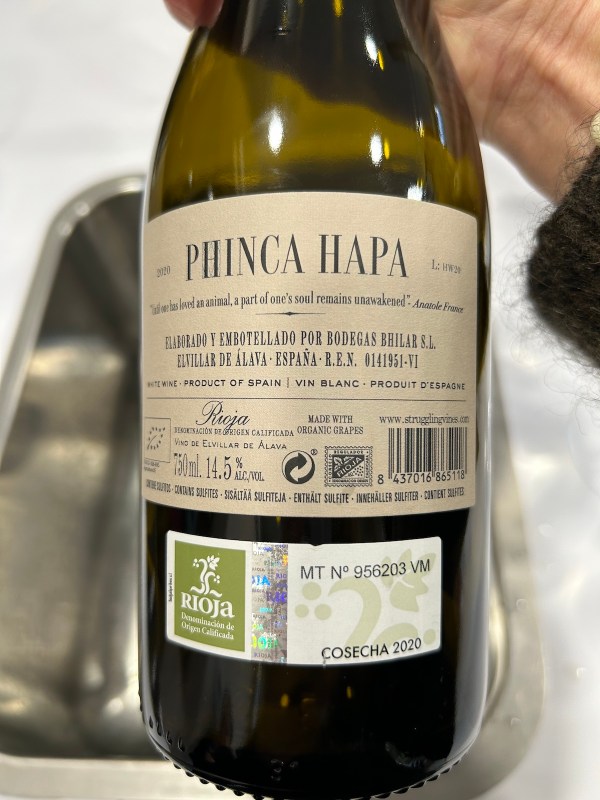
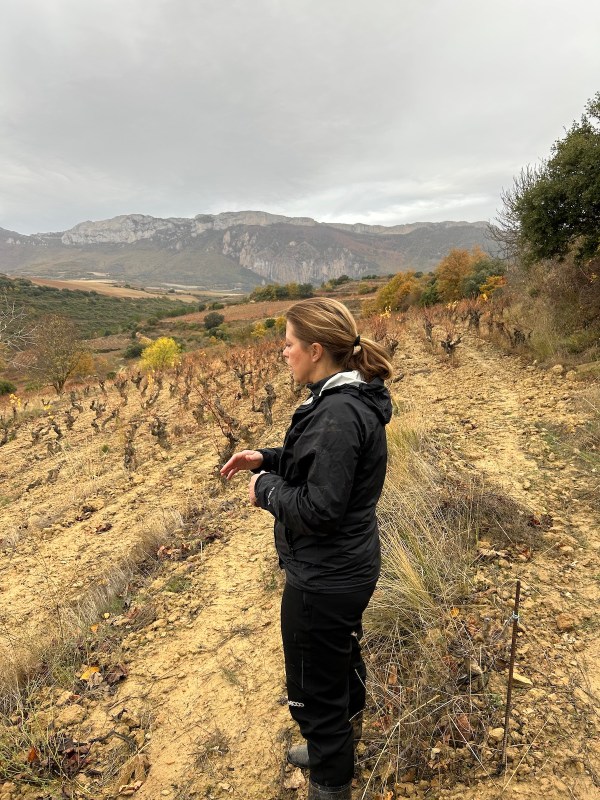
Phinca Hapa white 2020 is a beautiful wine from Elvillar, Rioja Alavesa. A blend of Viura, Malvasia and Garnacha Blanca it expresses freshness, elegance, aromatics of stone fruit, wild herbs and honey. It is made by carbonic maceration. The winemaker, Melanie Hickman, explains why she chose that method and how she does it.
“Both our Hapa White and our Hapa Red are made in the same way. First of all there is a history of carbonic maceration in Rioja Alavesa. Second of all, all the wines made in the winery except for one, always have a little bit of skin contact. My husband and I were talking about what would happen with a longer skin contact but we didn’t want a maceration without fermentation to protect the grapes from any funky bacteria coming in and changing the wine. We wanted the wine to truly express the area of where it’s from”.
“What we do is that we take the whole cluster, put it into an oak vat, close it up and eventually when there is enough juice on the bottom – so it is sort of semi-carbonic maceration – we will pump it over as it is fermenting. When it is 80% fermented we press it and put it in foudres for one year”.
Melanie goes on to explain that in their winery they have no technology; they use oak, French oak and concrete vats with epoxy lining and minimal intervention. In terms of viticulture, they work with biodynamic farming. They have many old vines and one of Melanie’s projects has been, and is, purchasing old vineyards and restoring them to health by bringing back biodiversity, cultivating biodynamically and using horses instead of tractors.

At Ysios, the impressive futuristic winery designed by architect Santiago Calatrava at the foot of the Sierra de Cantabria in Rioja Alavesa, winemaker Clara Canals concurs that what is trending now is returning to the past and working with more neutral vessels, i.e. bigger barrels and concrete vats. There is a move away from wines with intense aromas of coconut or chocolate – the effects of maturation in heavily charred new American and French oak to better express terroir. In the vineyard, at Ysios, they have returned to a more basic way of doing things: dry farmed bush vines, no irrigation, regenerative viticulture and all the while reducing their carbon footprint.
Rediscovering grape varieties – grapes for the future
Rioja is often associated with oak but according to Professor Juan Carlos Sancha, a researcher and teacher at the University of La Rioja, Rioja did not use oak 150 years ago. Winemaker Javier Arizcuren from Sierra de Yerga in Rioja Oriental has also chosen not to use oak. Instead, he has aged his Solomazuelo 2021 in clay amphoras. According to him, this allows for the purest expression of the grape variety, which in this case is a single varietal Mazuelo – also know as Carignan. It is not usual to find single varietal wines in Rioja. The Solomazuelo has high acidity, deep colour, soft tannins and dark fruit, earthy, spicy and balsamic aromatics mingled with violets. Javier reveals that his grandfather worked with Mazuelo and that it used to be popular 150 years ago because of its abundant yields. The variety, which covers only 3% of the total vineyard area in Rioja, has high acidity, high tannins and ageing potential. Javier explains that in spite of the grape variety’s credentials it is sensitive to Oidium – a fungal disease which arrived in Spain before phylloxera, – and for that reason much of it was pulled out and replaced by Garnacha.
Mazuelo along with Graciano are grape varieties that are blended in small quantities with Tempranillo in the elaboration of classic red Rioja wines. Professor Sancha believes that Graciano, Mazuelo and Garnacha are the grapes best suited for climate change. Graciano, a late ripener, is an indigenous variety to Rioja and Navarra that brings perfume, acidity, colour and phenolics to a Tempranillo blend. With eyes on the future winemakers have definitely been paying the grape variety more attention.
Not so new after all – Espumoso de Rioja
Sparkling wine, a drink that the world does not seem to get enough of, might not be a category that comes to mind at the mention of Rioja. Cava is the word that is synonymous with Spanish traditional method sparkling wine. The Cava DO, however, unlike Champagne, does not designate one area of production only. The word Cava means cellar, and if 95% of all Cava is made in Calalunya, there are other locations in Spain that have the right to make Cava too. Rioja is one of them.
Rioja has a long experience of making traditional method sparkling wine. Mayte Calvo de la Banda, technical director at Bodegas Bilbaínas in Haro, recounts that her winery supplied sparkling wine to the Champagne region in the 1900s. The devastation of French vineyards first by the phylloxera louse in the 1860s then by the battles of World War I, which destroyed 40% of Champagne’s vineyards, prompted many winemakers to move to Rioja, and France to turn to the region for the supply of wines. Bodegas Bilbaínas produced its first traditional method sparkling wine in 1912, not long after the creation of the company. The wine was called Champagne Lumen. The name “Lumen”, light in Latin, is a reference to Haro which was one of the first villages in Europe to have electric lights in the streets.
Following on the development of the traditional sparkling method category, which is anticipated to keep on growing and giving winemakers the chance to express their terroir, in 2017 Rioja included quality white and rosé sparkling wines in the appellation. Espumoso de Rioja DOCa is a little different to Cava. The finished sweetness level has been kept on the dry side and limited to Brut, Extra Brut and Brut Nature. The minimum ageing time is longer than the 9 months required for the Cava DO. It is 15 months for Crianza, 24 for Reserva and 36 for Gran Añada. Grape varieties are those permitted under the Rioja DOCa and the wine is the product of one vintage only.
Bilbaínas had been making Rioja’s traditional method sparkling wine under the Cava DO but adopted the Rioja DOCa in 2017. By doing so they are rightfully acknowledging Rioja for the tradition, expertise, and expression of traditional method sparkling wine. Their Lumen Brut Reserva 2018 is a Blanc de Noirs made 100% from dark-skinned Garnacha grapes. These were handpicked and harvested early from 20 to 30 year old bush vines growing at an altitude of 550 meters in the Najerilla Valley, a cool area with Atlantic influence. The wine is a delicate pale lemon with fine bubbles, lively acidity, fresh notes of citrus, red fruit, spice and toast.

Back to the Future
With winemaking beginnings dating back to Roman times, Rioja has a long history of being a world-class producer of wines. A region comprising 65,326 hectares of vines and spanning three distinct zones each with its own climatic specificities, Rioja offers a great diversity of styles, from red and white to rosé, youthful to ageworthy and still to sparkling. Whether it be their Viñedo Singular, their choice of winemaking techniques, their sparkling Espumosos, their renewed interest for lesser used indigenous grape varieties, producers are taking an innovative approach and meeting current market demands for more terroir driven wines, for sparkling wines and original grape varieties alongside the classic Rioja Crianzas, Reservas and Gran Reservas. Drawing inspiration from past generations, traditions and practices, producers are keeping ahead of trends and tackling issues such as climate change and a greener planet with wines that are relevant to consumers of today and of the future.

 Nordic Wine Blog