Although only last week, Christmas seems quite far away. The supply of mince pies is low, and this year there was no Christmas cake nor log in our household to keep the Christmas momentum up. But maybe that is a good thing. After all, we are in a lull before the celebrations of the New Year and these are in a different register from those of Christmas.
At Christmas we celebrate the miracle that is the birth of Jesus, but also that of birth itself and of life. We give thanks for the gift of a child and the gift of procreation. Not only that, we also praise light. According to the Bible, “Jesus is the Light of the World”. This is beautifully recounted in Handel’s Messiah, traditionally performed at Christmas time, in the Bass Aria “The People that walk in Darkness have seen a great Light”.
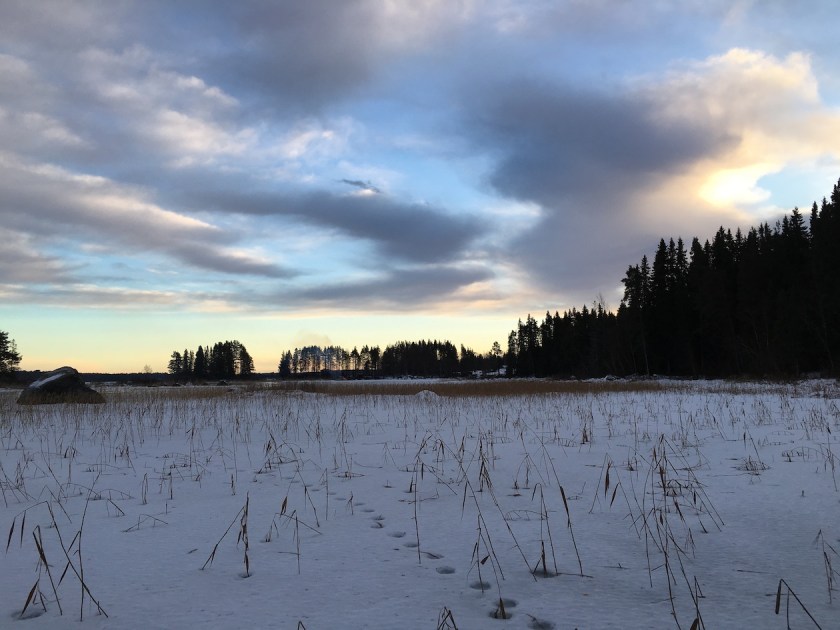
In Christianity, light is a symbol for God. But a few days before the birth of Jesus it is the shortest day of the year and the winter solstice. The end of the period of darkness has been celebrated throughout time and still is today. Festivities involve burning bright lights in the darkness, such as is done in Sweden on Lucia day (from lux, light in Latin).
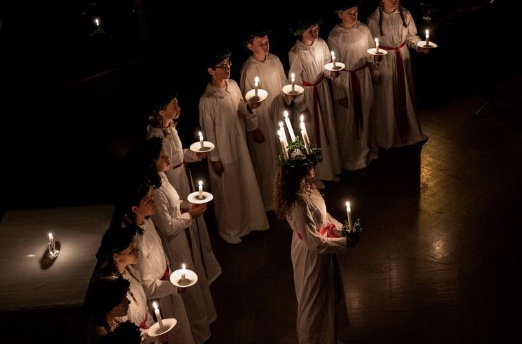
The Christmas experience is wonderment, gratitude and giving thanks, shared with family under candlelight. Inevitably, my choice of wine was affected by this mood and I sought out red wines that were appropriately complex, concentrated, traditional, mature and originating from properties or vineyards that were tended through generations: Bordeaux Grands Crus Classés. Premiers or Grands Crus Burgundies would have been just as suitable, albeit slightly less affordable.
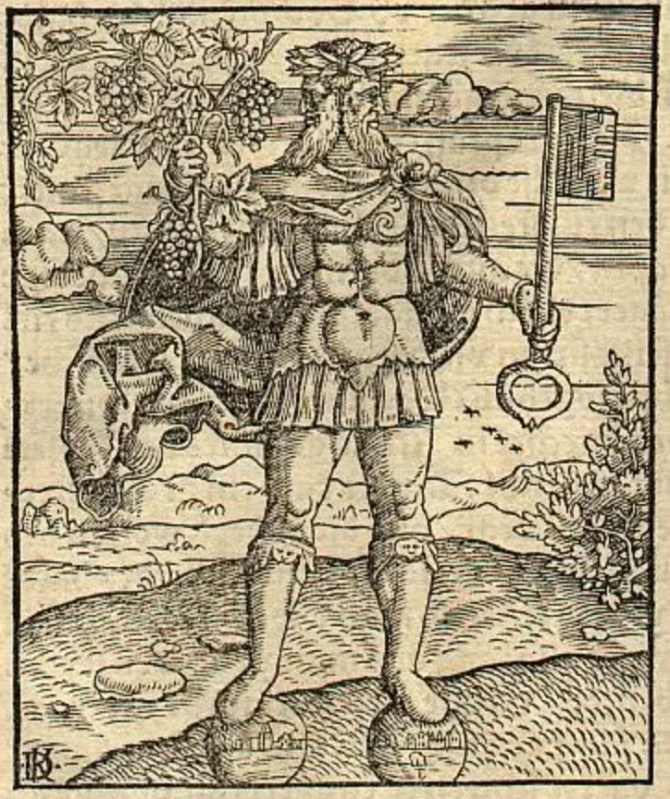
By the time New Year’s Eve comes around the atmosphere has shifted from inner contemplation to external exuberance. New Year festivals that take place all over the world are some of the oldest and date back to the Babylonians in 2000 BCE. Interestingly, the date of the New Year has varied from one culture or religion to another and has also moved around throughout history. In ancient times the autumn equinox (Egyptians, Phoenicians, Persians) and the winter solstice (Greeks) were when a new year began. In the early Middle Ages in Europe, as a result of the spread of Christianity, it was celebrated on the 25th of March, the date of the feast of the Annunciation which is at once the day of Christ’s creation and of his death. It wasn’t until the adoption of the Gregorian Calendar in 1582 that the date for the new year in Catholic Christendom was set (or reset to be more precise) to the 1st of January. Further emphasizing this transition from the old to the new, from the past to the future, is the name of this first month. It comes from the Romans’ god Janus, who has two faces that look in opposite directions.
New Year symbolism remains intertwined with that of the Christmas story with birth and renewal, and the transition from darkness to light with, however, a more marked connection with new and recurrent beginnings and the moon. New year cycles have been deemed to start with the new moon close to the spring or autumn equinox, as was the case in Babylonia and Assyria respectively, in 2000 BCE. Many Asian countries, such as China, use a lunar calendar based on the cycles of the moon and their new year thus begins on the first new moon in their year.
New Year resolutions, which include the creation of new habits and self-improvement, sound resolutely contemporary. They could have been prompted from reading such books as “Atomic Habits” by James Clear and “The Seven Habits of Highly Effective People” by Stephen R. Covey. In fact, resolutions for a new year date back millennia and were carried out to receive good things from the gods.
In spite of Janus looking both back and forward, the focus of New Year festivities is firmly on the future and on chasing away the memories and aura of the previous year. Noise can help with that and features in the celebrations, in the form of fireworks, merriment and exploding champagne bottles.
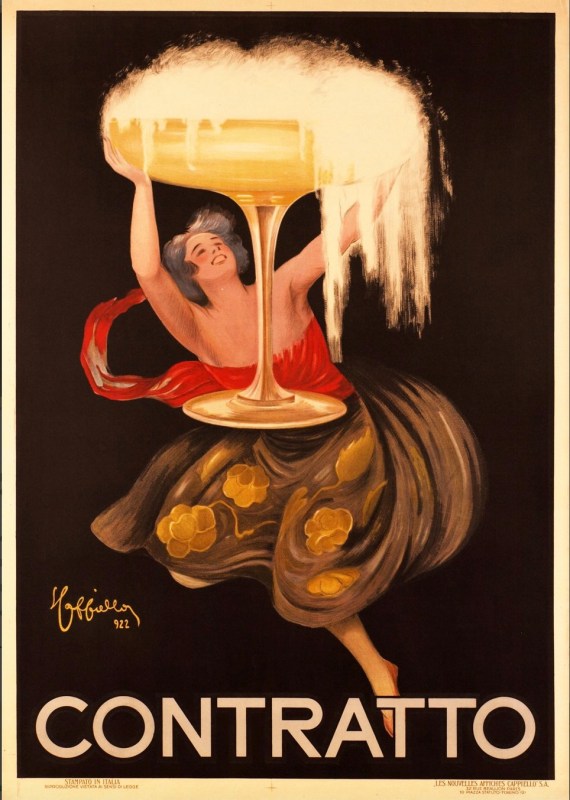
And so here we come to the best drink for the 31st of December and it can only be sparkling wine or champagne. It represents all we are celebrating: light, life, renewal, humanity and the divine. These are all contained in the very essence of the wine. The pale colour and lively spherical bubbles evoke the moon, light and life. The taste of the wine fashioned by craftsmanship and traditions embodies renewal and humanity. As for the divine, it can be witnessed as much in the winemaker’s strive to achieving perfection as in the gift of enjoyment granted to humans.
If old customs are to be believed, wearing red undergarments on New Year’s Eve brings good luck as does eating certain foods such as green cabbage. Furthermore, what you do on New Year’s Eve also determines how your year will unfold. You have been warned.
So that is me set for the evening. I am going to pop that cork and make sure that the bottle is an exclusive one, thus setting the trend for the year to come.
Happy New Year you all and may 2024 bring you good health, prosperity and happiness!
 Nordic Wine Blog